
Introduction: Embracing Urbanization for Gospel Outreach
The world is witnessing rapid urbanization, with more people than ever before moving into cities. As Christians committed to fulfilling the Great Commission, this trend presents both a challenge and an opportunity. Urban missions become crucial as cities grow, offering a unique platform for spreading the gospel and reaching diverse populations. In this article, we will explore the significance of urban missions and how they align with the biblical mandate of sharing the gospel in growing cities.
Understanding Urbanization and Its Impact on Mission Work
Urbanization refers to the increasing number of people living in urban areas compared to rural ones. According to the United Nations, by 2050, nearly 68% of the global population will reside in cities. This shift presents new dynamics in social, economic, and cultural aspects, influencing how gospel outreach is conducted.
The Urban Mission Field
Cities are melting pots of cultures, religions, and ideologies. This diversity provides a fertile ground for gospel outreach, as missionaries can engage with different communities and share the gospel truth in culturally relevant ways. However, urban settings also come with challenges such as poverty, crime, and secularism, which necessitate innovative approaches to mission work.
Strategic Importance of Urban Missions
Urban missions are strategically important for fulfilling the Great Commission. Cities often serve as cultural and political hubs, influencing entire regions. By establishing strong Christian communities in urban areas, the reach of the gospel can extend far beyond city limits, impacting national and global levels.
Urban Missions and the Great Commission
The Great Commission, as outlined in Matthew 28:19-20, calls Christians to make disciples of all nations. Urban missions play a critical role in this mandate, allowing missionaries to engage with diverse and dense populations.
Engaging with Unreached People Groups
Cities often host unreached people groups who have migrated for economic opportunities. Urban missions provide a chance to engage these communities, sharing the message of salvation through Christ in their new environments. This aligns with biblical missions and the call to reach all nations.
Establishing Gospel-Centered Ministries
Effective urban missions involve establishing gospel-centered ministries that address both spiritual and practical needs. These ministries focus on discipleship, spiritual growth, and Christian living, offering biblical wisdom and encouragement in Christ to city dwellers.
The Role of the Church in Urban Missions
Churches play a pivotal role in supporting and sustaining urban missions. By fostering a culture of prayer and biblical obedience, churches can empower missionaries to spread the gospel effectively in urban settings.
Prayer and Support for Missionaries
Prayer in the Bible emphasizes the importance of interceding for gospel outreach. Churches are called to support missions through prayer, encouraging believers to trust in God’s faithfulness and God’s will in urban evangelism efforts. Additionally, financial support and resources like transportation can greatly enhance mission work, as highlighted in this resource.
Training and Equipping for Urban Ministry
Churches must also focus on training and equipping believers for urban ministry. This involves teaching sound doctrine and encouraging perseverance in faith, ensuring that those involved in mission trips are well-prepared to share the gospel and disciple new believers.
Challenges and Opportunities in Urban Missions
While urban missions offer numerous opportunities, they also present unique challenges that require careful navigation and reliance on biblical truth.
Overcoming Secularism and Cultural Barriers
Urban environments are often characterized by secularism and diverse belief systems. Missionaries must navigate these waters with discernment, drawing on the authority of Scripture to share the gospel authentically and effectively.
Leveraging Technology for Gospel Outreach
In today’s digital age, technology offers innovative ways to spread the gospel in urban areas. Online platforms and social media can be powerful tools for evangelism, allowing for widespread dissemination of Christian doctrine and encouraging discussions on biblical topics.
Case Study: Urban Missions in Bangladesh
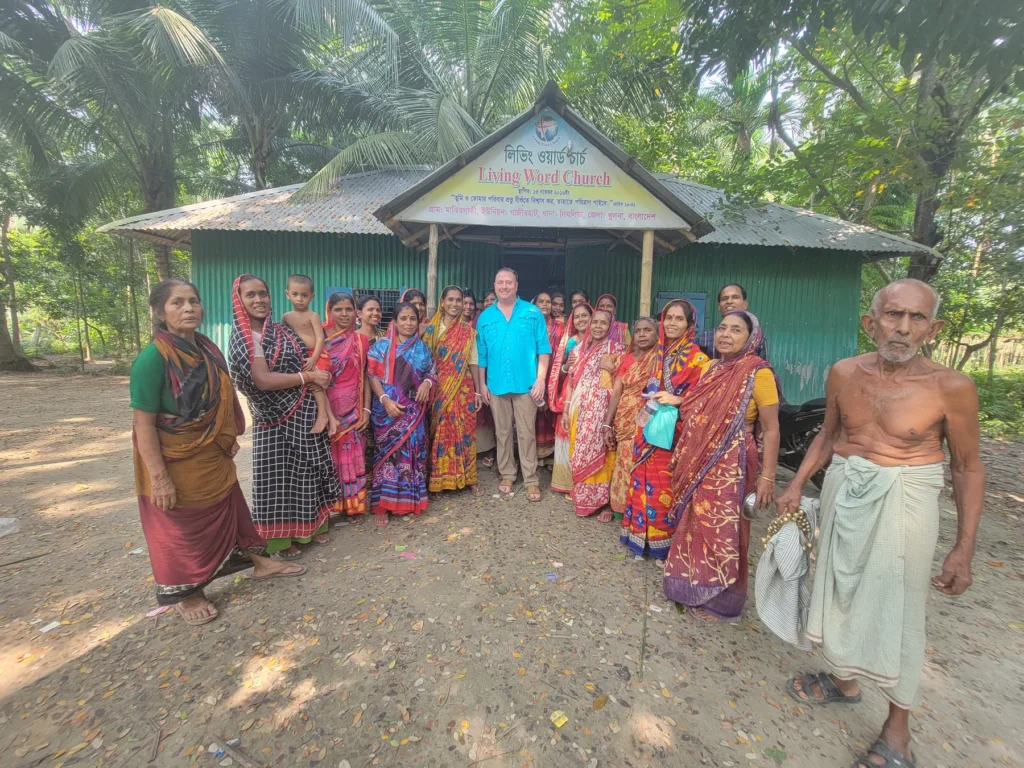
Bangladesh, with its rapidly growing urban centers, exemplifies the potential impact of urban missions. Organizations like the Living Word Foundation are actively engaging in gospel outreach in cities like Khulna, where they are witnessing significant spiritual growth and impact.
Impact of Missions in Bangladesh
The Khulna outreach has shown how urban missions can transform communities, leading to repentance and holiness among new believers. This aligns with the fruit of the Spirit as lives are changed through the power of the gospel.
Encouragement for Global Missions
Such examples provide encouragement in Christ for believers worldwide, demonstrating the vital role of urban missions in fulfilling the Great Commission. The work in Bangladesh serves as a model for other urban mission efforts globally.
Conclusion: Answering the Call to Urban Missions
Urban missions are indispensable in today’s world, offering a strategic avenue for fulfilling the Great Commission. As cities continue to grow, so does the opportunity for spreading the gospel and making disciples of all nations. By supporting missions through prayer, training, and resources, believers can actively participate in this calling, trusting in God’s faithfulness to bring about spiritual maturity and transformation. To learn more about how you can help, visit this page and join the mission to spread the gospel in the heart of growing cities.