
Mission work has been a vital part of the Christian faith for centuries, fulfilling Jesus’ call in the Great Commission:
“Go therefore and make disciples of all nations…” (Matthew 28:19)
Yet, despite its importance, there are many misconceptions about what it truly means to serve in missions. These myths can discourage potential supporters, misinform the public, or undervalue the impact of missionaries’ efforts. At Living Word Foundation (LWF), we aim to not only share the Gospel but also educate the Church and supporters about what mission work really entails.
In this post, we’ll explore the top five myths about mission work, clarify the truth behind them, and highlight how you can be a meaningful part of God’s work in the world.
Myth #1: Mission Work is Only for People Who Travel Abroad
Many people believe that mission work is exclusively for those who can leave home and travel to distant countries. While overseas trips are one form of mission, mission work is much broader.
The Reality:
- Mission work includes prayer, financial support, advocacy, and community outreach, in addition to physical travel.
- Supporting missionaries from home is critical. For example, Living Word Foundation relies on prayer partners and donors to sustain trips, provide meals, transportation, and resources for Gospel programs.
- Even small contributions can make a large impact, whether funding Bibles, sound equipment for outreach events, or discipleship training materials.
Why it matters:
Believers don’t need to board a plane to participate in the Great Commission. Prayer, giving, and spreading awareness allow people to actively support mission work without leaving their community.
Myth #2: Mission Work is Only About Converting People
Another common misconception is that the purpose of mission work is simply to convince someone to become a Christian. While evangelism is a central goal, missions involve much more than conversions.
The Reality:
- Mission work often focuses on discipleship, education, and community support. For instance, LWF doesn’t just hold Gospel events; we conduct Discipleship Training Programs, equipping new believers to understand Scripture and share their faith.
- Missionaries may provide meals, education, clean water, or health care, demonstrating Christ’s love in tangible ways.
- Large outreach programs and personal encounters are designed to prepare hearts, foster relationships, and encourage communities in faith.
Why it matters:
Understanding this helps supporters appreciate the full scope of mission work. Donations, prayers, and volunteer efforts don’t just support evangelism—they strengthen local churches and enable long-term spiritual growth.
Myth #3: Mission Work is Only for Young, Single People
Some assume that mission trips are only for adventurous young adults or those without family responsibilities. While youth often participate actively, mission work is open to believers of all ages and stages of life.
The Reality:
- Mission work requires a diverse team: leaders, trainers, teachers, translators, and prayer partners. Experienced adults, families, and even retirees provide wisdom, mentorship, and stability.
- At LWF, teams often include a mix of individuals, from students to seasoned pastors, all contributing their unique gifts.
- People who cannot travel can support missions in other meaningful ways, like fundraising, prayer, or administrative assistance.
Why it matters:
Mission work thrives when believers of all ages participate. This dispels the idea that only a certain demographic can make a difference, encouraging wider support and involvement.
Myth #4: Mission Work Always Happens in Remote or “Exotic” Locations
Popular media often portrays missions as a journey to faraway lands with dramatic landscapes and extreme poverty. While missionaries do serve in diverse locations, the reality is that mission work is happening everywhere.
The Reality:
- Missions occur in urban centers, rural villages, refugee camps, and even neighborhoods close to home. God’s work is not limited by geography.
- LWF’s mission trips in Bangladesh, for example, include large Gospel programs in villages like Khulna and intimate encounters at roadside tea shops. Both environments are vastly different, yet both are fertile ground for the Gospel.
- Even in familiar settings, local churches can host outreach events, teach Bible studies, or provide meals—extending the Kingdom in practical ways.
Why it matters:
This truth helps supporters understand that every contribution matters, regardless of where the mission is taking place. It also highlights that spiritual impact isn’t measured by how “far away” the location is, but by how effectively the Gospel is shared and lives are changed.
Myth #5: Mission Work is Ineffective or Outdated
A final misconception is that mission work is no longer effective in today’s modern world. Skeptics may think that in an age of technology, education, and media, traditional mission methods are irrelevant.
The Reality:
- Mission work remains highly impactful, combining personal relationships, cultural understanding, and spiritual guidance in ways that no online platform can replicate.
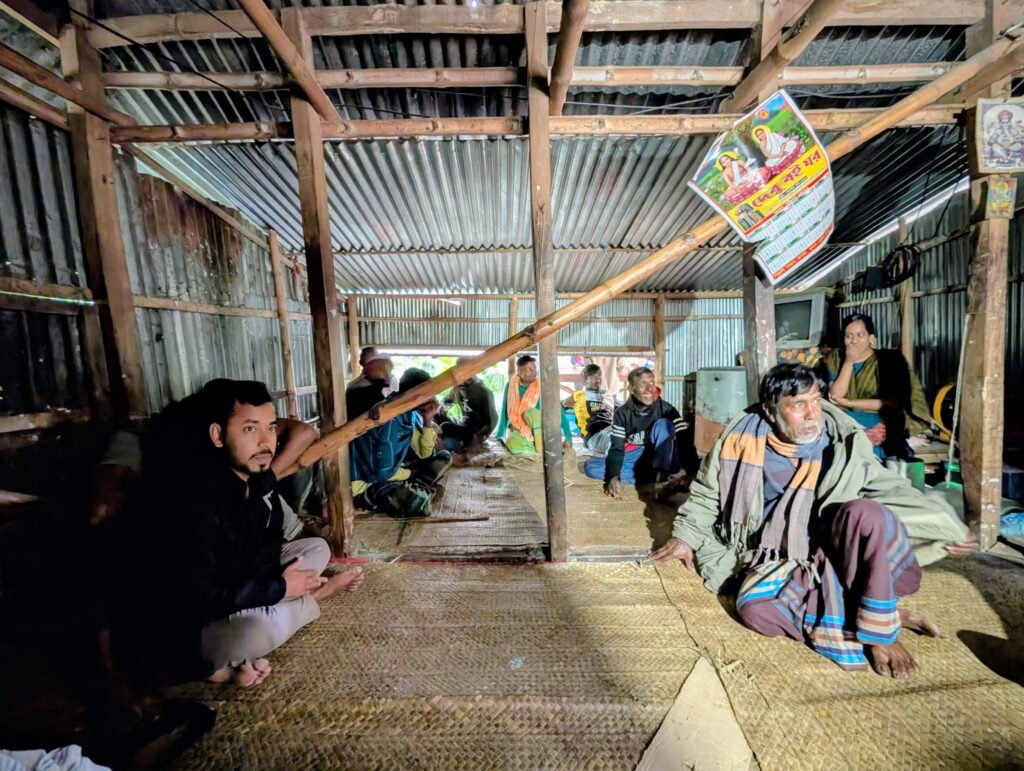
- Even smaller, unexpected encounters demonstrate God’s power to transform lives. During the 2025 mission trip, the team presented the Gospel inside a Hindu temple surrounded by shrines to many gods. More than twenty villagers attended, and most responded to the message of Jesus. Remarkably, Uttam’s 12-year-old daughter Tabitha also surrendered her life to Christ in that moment.
- This story shows that no place, no circumstance, and no audience is beyond God’s reach. Even seemingly humble or challenging settings carry eternal significance, proving that every act of mission work matters.
Why it matters:
Understanding the effectiveness of mission work encourages believers to invest in it. Supporting missionaries through prayer, giving, or participation results in real, measurable impact, both spiritually and practically.
How You Can Support Mission Work Today
Correcting these myths not only informs but also empowers believers to participate in meaningful ways. Here are practical steps you can take to support missions:
1. Pray for Missionaries and Communities
Prayer is foundational. Lift up mission teams, local leaders, and communities awaiting the Gospel. Ask God to prepare hearts, provide safety, and empower missionaries with boldness and clarity.
2. Give Financially
Donations provide essentials like transportation, meals, materials, and equipment for both large programs and personal outreach. Every contribution directly supports the Gospel’s spread.
3. Share the Mission
Promote awareness by sharing stories, blogs, and videos with your church, family, or small group. Encouraging others to pray or donate amplifies impact.
4. Volunteer or Participate
If able, join a mission trip. If travel isn’t possible, contribute time and skills remotely, helping plan events, assist administratively, or advocate for the mission.
5. Encourage Local Churches
Partner with your church to host outreach events, Bible studies, or fundraising initiatives. Local engagement strengthens missions globally.
The Eternal Impact of Mission Work
Mission work is not a distant or abstract endeavor. It is a tangible, life-changing ministry that transforms individuals, strengthens communities, and fulfills Christ’s command to make disciples of all nations.
Whether through prayer, financial support, or on-the-ground service, every believer can participate. Large outreach events, intimate conversations, discipleship programs, and even logistical planning are all part of God’s work in the world.
Correcting these five myths helps believers understand that mission work is accessible, impactful, and vital, and that everyone can contribute to the Great Commission in meaningful ways.
Conclusion: Join the Mission
Mission work matters. Every prayer lifted, every donation given, and every story shared contributes to the spread of the Gospel. Organizations like Living Word Foundation rely on a network of supporters to make mission programs possible—from large-scale outreach events in villages to intimate, life-changing encounters on the roadside.
The next time you hear a myth about mission work, remember the reality: every life matters to God, every contribution matters to the mission, and your involvement matters to eternity.
As Matthew 28:19–20 reminds us, the call is clear: go and make disciples of all nations. Whether through prayer, giving, sharing, or participating, you can be part of fulfilling this mission today.