
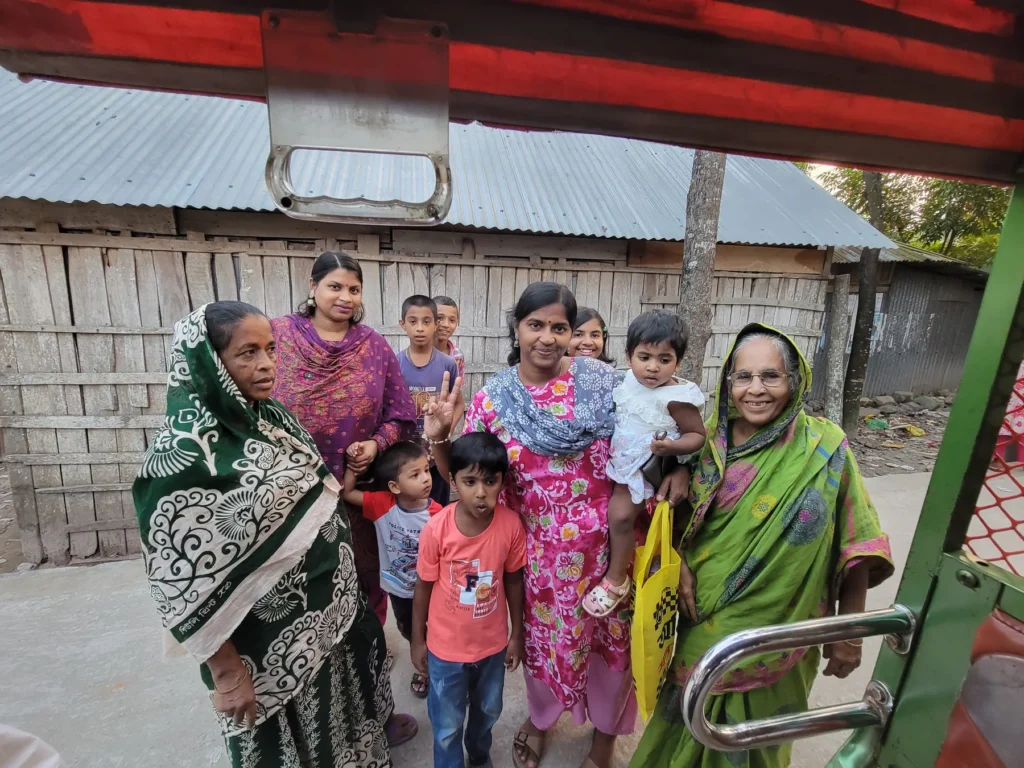
When many Christians think about missions, they picture long-distance travel, cross-cultural training, and extended time away from home. While some believers are called to go, Scripture makes it clear that participating in missions is not limited to those who travel overseas. In fact, the Bible teaches that every follower of Christ has a role to play in advancing the Gospel—regardless of location, age, or circumstance.
The Great Commission is a shared responsibility. God uses the collective obedience of His people to spread the message of salvation to the ends of the earth. While not everyone is called to cross borders, everyone is called to participate.
Understanding the Great Commission
Jesus’ command in Matthew 28:19–20 is foundational:
“Go therefore and make disciples of all nations, baptizing them in the name of the Father and of the Son and of the Holy Spirit, teaching them to observe all that I have commanded you. And behold, I am with you always, to the end of the age.”
The word go does not apply only to physical travel. It also implies an active, ongoing commitment to Gospel work. Throughout Scripture, the spread of the Gospel depended not only on those who went, but also on those who prayed, supported, encouraged, and sent them.
The Biblical Model: Goers and Senders
The New Testament presents a clear partnership between those who physically carry the Gospel and those who support them.
In Romans 10:15, Paul writes:
“And how are they to preach unless they are sent? As it is written, ‘How beautiful are the feet of those who preach the good news!’”
Sending involves more than logistics—it includes prayer, financial support, encouragement, and accountability. This partnership allows the entire body of Christ to participate in missions, regardless of geography.
1. Praying Faithfully for Missions
Prayer is one of the most powerful ways believers can engage in mission work. Scripture consistently emphasizes the importance of prayer in advancing God’s Kingdom.
Paul frequently asked churches to pray for him:
“Praying always… that utterance may be given unto me, that I may open my mouth boldly” (Ephesians 6:18–19).
Through prayer, Christians intercede for:
- Missionaries and church leaders
- Open hearts and receptive communities
- Protection, wisdom, and boldness
- Spiritual growth of new believers
Prayer aligns believers with God’s will and invites His power into mission work.
2. Giving Financially to Support the Gospel
Financial support plays a crucial role in missions. While not all believers can travel, many can help provide the resources necessary for Gospel work.
In Philippians 4:15–16, Paul praised the church for partnering with him through financial giving. He viewed their support as active participation in his ministry.
Biblical giving allows believers to:
- Provide resources for outreach and discipleship
- Support those who are called to full-time ministry
- Participate in Gospel advancement beyond their local community
Financial support enables missionaries to focus on sharing the Gospel without distraction.
3. Encouraging and Supporting Mission Workers
Encouragement is often overlooked, yet it is essential to mission work. Missionaries frequently face isolation, spiritual opposition, and cultural challenges.
Scripture encourages believers to:
“Comfort one another, and edify one another” (1 Thessalonians 5:11).
Christians can support mission workers by:
- Writing letters or messages of encouragement
- Checking in regularly
- Offering practical support when possible
These acts strengthen those serving on the front lines and remind them they are not alone.
4. Sharing the Mission With Others
Another way to participate in missions is by raising awareness and inviting others to engage. Sharing information about mission work helps expand the circle of prayer and support.
In 3 John 1:5–8, believers were praised for supporting those who traveled for the Gospel. Sharing the mission allows more people to become involved and aligns the church in a unified purpose.
5. Living as a Witness Where You Are
Missions do not only happen overseas. Every believer has a daily mission field—workplaces, neighborhoods, schools, and communities.
Jesus instructed His followers to be:
“The light of the world” (Matthew 5:14).
By living out the Gospel through words and actions, Christians participate in God’s mission wherever they are placed.
6. Using Skills and Resources for Kingdom Purposes
God equips each believer with unique skills and resources that can be used for His glory. These abilities can support mission work without requiring travel.
Examples include:
- Administrative support
- Writing and communication
- Technology and media
- Teaching and mentoring
When offered willingly, these skills become powerful tools in advancing the Gospel.
7. Teaching the Next Generation About Missions
Parents, teachers, and church leaders play a vital role in shaping the next generation’s understanding of missions.
Deuteronomy 6:6–7 emphasizes passing faith to future generations. Teaching children and youth about God’s heart for the world helps sustain long-term Gospel impact.
8. Trusting God’s Calling and Timing
Not everyone is called to the same role, but everyone is called to obedience. Scripture reminds believers:
“As every man hath received the gift, even so minister the same one to another” (1 Peter 4:10).
Participating in missions begins with surrender—asking God how He desires to use your time, resources, and influence.
Missions Is a Shared Responsibility
The advancement of God’s Kingdom depends on the unity of the body of Christ. Those who go, those who give, those who pray, and those who encourage all share in the work.
The Bible presents missions as a collective effort, where every believer has a meaningful role.
Final Encouragement
You do not need a passport to participate in missions. God uses faithful obedience in every season of life. Whether through prayer, giving, encouragement, or daily witness, every Christian can play a part in advancing the Gospel.
When believers embrace their role, the mission of God continues forward—one faithful act at a time.