
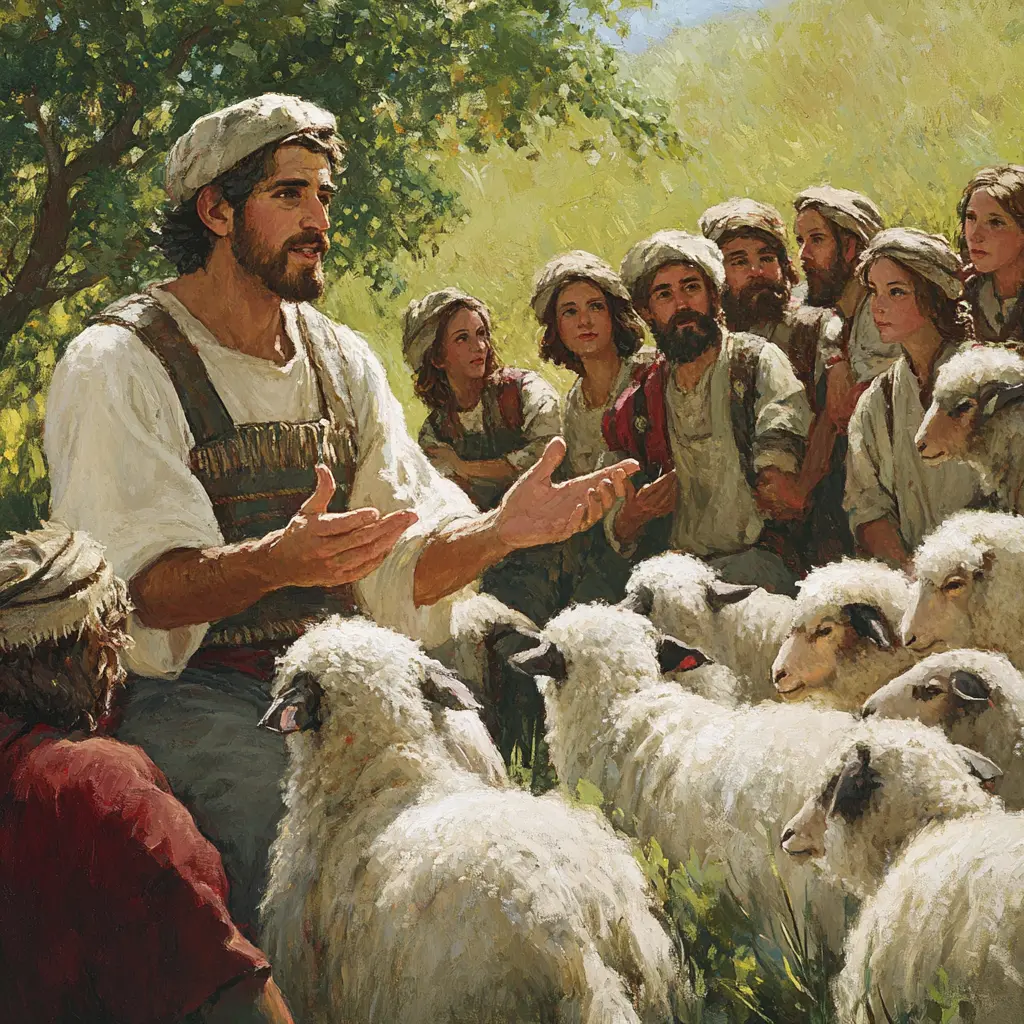
Throughout the Bible, God repeatedly chooses ordinary people to accomplish extraordinary purposes. He does not limit His work to kings, scholars, or spiritual elites. Instead, He often works through shepherds, fishermen, widows, farmers, and even reluctant servants. These stories reveal a powerful truth that still applies today: God advances His Kingdom not through human strength, but through faithful obedience.
Scripture makes it clear that God’s power is not dependent on human ability. When He calls someone, He also equips them. From the Old Testament to the New, the Bible is filled with examples of everyday people being used by God to shape history, proclaim truth, and spread His glory.
Why God Chooses Ordinary People
God’s pattern of using ordinary people serves a greater purpose. It removes any doubt that the work is accomplished by Him alone.
1 Corinthians 1:27–29 states:
“But God chose what is foolish in the world to shame the wise; God chose what is weak in the world to shame the strong; God chose what is low and despised in the world, even things that are not, to bring to nothing things that are, so that no human being might boast in the presence of God.”
By choosing the humble and unlikely, God ensures that He alone receives the glory. These examples encourage believers today that faithfulness—not status—is what God honors.
Moses: A Reluctant Speaker Chosen by God
Moses is one of the most well-known figures in Scripture, yet he did not see himself as capable or qualified. When God called Moses to lead Israel out of Egypt, Moses responded with fear and doubt.
In Exodus 4:10, Moses said:
“But Moses said to the Lord, ‘Oh, my Lord, I am not eloquent, either in the past or since you have spoken to your servant, but I am slow of speech and of tongue.’”
Despite Moses’ objections, God used him to confront Pharaoh, perform miracles, and lead an entire nation to freedom. Moses’ story shows that God’s calling is not limited by human weakness. When God sends someone, He provides the authority and strength needed.
David: A Shepherd Chosen as King
David was the youngest son in his family, overlooked even by his own father. When the prophet Samuel came to anoint a king, no one expected David to be chosen.
Yet 1 Samuel 16:7 declares:
“Man look on the outward appearance, but the LORD sees the heart.”
David’s background as a shepherd prepared him for leadership in ways unseen. His faith in God, demonstrated when he faced Goliath, showed that trust in the Lord outweighs physical strength or experience. God used David not because of his position, but because of his heart.
Gideon: Weakness Turned Into Strength
Gideon viewed himself as insignificant and unqualified. When God called him to deliver Israel from the Midianites, Gideon questioned why God would choose him.
Judges 6:15 records Gideon’s words:
“My family is poor in Manasseh, and I am the least in my father’s house.”
God intentionally reduced Gideon’s army so that Israel would understand the victory came from Him alone. Through Gideon’s obedience, God delivered His people and demonstrated His power through weakness.
Ruth: Faithfulness in the Ordinary
Ruth was not a prophet, judge, or warrior. She was a widow who chose faithfulness during hardship. Her loyalty to Naomi and her trust in the God of Israel placed her directly within God’s redemptive plan.
Through Ruth’s obedience, God brought forth a lineage that would eventually lead to King David—and ultimately to Jesus Christ. Her story reminds believers that faithfulness in daily life has eternal significance.
Peter: A Fisherman Transformed Into a Leader
Peter was a simple fisherman with no formal religious training. He was impulsive, emotional, and often misunderstood Jesus’ teachings. Yet Jesus chose Peter to become one of His closest disciples.
Despite denying Christ three times, Peter was restored and later boldly proclaimed the Gospel. In Acts 2, Peter preached at Pentecost, and thousands were saved. God transformed an ordinary man into a powerful witness through repentance and obedience.
The Samaritan Woman: An Unexpected Evangelist
In John 4, Jesus spoke with a Samaritan woman—someone considered unimportant and socially marginalized. After encountering Christ, she immediately shared the truth with others.
Her testimony led many in her town to believe in Jesus. God used her simple witness to bring others to faith, proving that anyone who encounters Christ can become a messenger of the Gospel.
The Widow’s Offering: Faith Over Wealth
In Mark 12:41–44, Jesus observed people giving offerings at the temple. While many gave large amounts, He praised a poor widow who gave only two small coins.
Jesus said her offering was greater than all the others because she gave sacrificially. This moment highlights that God values obedience and faith over financial abundance. Ordinary acts of faith carry extraordinary weight in God’s Kingdom.
Paul: From Persecutor to Preacher
Although Paul later became a well-known apostle, his transformation underscores God’s ability to use anyone. Once a persecutor of Christians, Paul encountered Christ and surrendered completely.
God used Paul to write much of the New Testament and spread the Gospel across nations. His life demonstrates that no one is beyond God’s reach or ability to use for His glory.
What These Stories Teach Believers Today
These biblical examples share common themes:
- God calls people who feel unqualified
- Obedience matters more than ability
- God’s power is perfected in weakness
- Faithfulness leads to lasting impact
The advancement of God’s Kingdom has never depended on human status or strength. It depends on willing hearts surrendered to His will.
God Still Uses Ordinary People
The same God who used shepherds, fishermen, widows, and farmers continues to work today. Scripture reminds believers that participation in God’s work is not reserved for a select few—it is open to all who trust Him.
Ephesians 2:10 says:
“For we are his workmanship, created in Christ Jesus unto good works, which God hath before ordained that we should walk in them.”
God’s Kingdom advances when ordinary believers step forward in faith, trusting that He will work through them for His glory.
Final Reflection
The Bible is clear: God does not need extraordinary people—He uses faithful ones. When believers surrender their limitations to Him, He accomplishes far more than they could ever imagine.
From Genesis to Revelation, Scripture testifies to this truth: God delights in using ordinary people to advance His Kingdom and reveal His power to the world.