
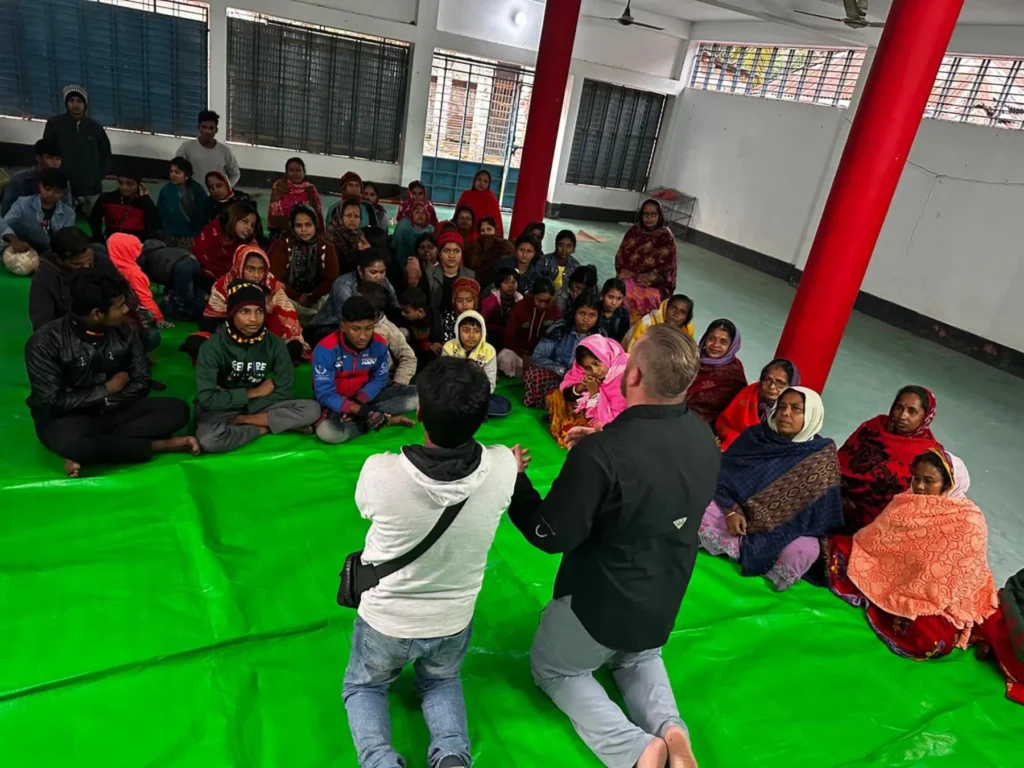
Supporting House Churches: Wisdom for Helping Underground Believers in Bangladesh
In the rich tapestry of global missions, house churches in Bangladesh represent both a profound opportunity and a delicate challenge. These small gatherings of believers meet in homes, often in secret, to worship and study the Bible. Supporting such groups requires wisdom, particularly in navigating the legal risks they face while living out their Christian faith. This article explores strategies to help house churches in Bangladesh operate safely while remaining steadfast in their mission to spread the gospel.
Understanding the Legal Landscape
The legal environment in Bangladesh presents unique challenges for house churches. While the constitution allows for the practice of religion, there are complexities in how this is applied, especially to minority faith groups. It’s essential for house church leaders and supporters to understand these legal nuances to navigate them wisely.
Recognizing Legal Restrictions
Bangladesh’s legal framework includes restrictions on religious conversions and public gatherings, which can impact house churches. Supporters must be aware of these limitations to provide relevant guidance. As Jesus instructed in Matthew 10:16, “Be wise as serpents and innocent as doves,” house churches must operate with a blend of wisdom and integrity.
Engaging Legal Advisors
- Seek counsel from local Christian lawyers who understand the religious and legal context.
- Regularly update on changes in laws affecting religious gatherings.
- Ensure that house church activities remain within legal boundaries to avoid unnecessary conflict.
By staying informed and seeking professional advice, house churches can continue to focus on their mission while minimizing legal risks.
Building Strong Community Networks
Community is a cornerstone of the Christian faith, and house churches thrive through strong relational networks. Building these networks provides support and protection in challenging environments.
Fostering Relationships with Local Churches
House churches can benefit from alliances with established local churches. These relationships offer spiritual encouragement and practical support, facilitating the sharing of resources and knowledge.
Creating Support Systems
- Develop mentorship programs to connect mature believers with new converts.
- Organize discreet gatherings to encourage fellowship and spiritual growth.
- Promote regular communication among house churches to share experiences and advice.
These strategies align with the biblical principle of bearing one another’s burdens as described in Galatians 6:2, fostering a resilient community that thrives despite external pressures.
Prioritizing Discipleship and Spiritual Growth
Discipleship is crucial for the spiritual maturity of believers in house churches. As Christians, we are called to make disciples of all nations (Matthew 28:19), and this includes nurturing faith within house church communities.
Implementing Effective Discipleship Programs
House churches should focus on structured discipleship programs that emphasize biblical truth and spiritual maturity. This can include:
- Bible study groups that delve into the authority of Scripture.
- Workshops on Christian living and biblical wisdom.
- Training sessions on evangelism and sharing the gospel.
Discipleship that prioritizes living by faith and obedience to God’s will helps believers grow in their walk with Christ, reinforcing their perseverance in faith.
Ensuring Safe and Discreet Operations
Safety and discretion are paramount for house churches operating in sensitive environments. By adopting careful practices, these groups can worship and serve effectively without drawing undue attention.
Implementing Security Measures
- Hold meetings at varying locations and times to avoid patterns.
- Use secure communication tools for coordinating activities.
- Encourage members to be aware of their surroundings and report any unusual activities.
These measures ensure that house church members can focus on spreading the gospel and supporting missions without compromising their safety.
Encouraging Prayer and Trust in God’s Faithfulness
Prayer is the lifeline of any church community, and for house churches, it is both a source of encouragement and a means of seeking God’s guidance. The Bible reminds us in Philippians 4:6-7 not to be anxious but to present our requests to God, trusting in His faithfulness.
Promoting a Culture of Prayer
House churches should cultivate a strong prayer life that involves:
- Regular prayer meetings focused on intercession for the community and the nation.
- Encouraging personal and corporate prayer as part of daily Christian living.
- Sharing testimonies of God’s work to encourage faith and hope among believers.
Through dedicated prayer, house churches can experience spiritual growth and witness God’s will being fulfilled in their lives and communities.
Conclusion
Supporting house churches in Bangladesh requires a deep understanding of the local context and a commitment to biblical principles. By navigating legal risks with wisdom, building strong communities, prioritizing discipleship, ensuring safe operations, and fostering a culture of prayer, we can help these underground believers continue their vital work. As we engage in this mission work, let us remain steadfast in the faith, trusting God to guide and protect His church. For more about how you can support ongoing ministry efforts in Bangladesh, visit our page. Together, we can make a difference in spreading the gospel truth where it is needed most.