
Introduction
In the heart of Bangladesh, a vibrant tapestry of faith and culture, local pastors play a pivotal role in sustaining ministry and spreading the gospel. Yet, their journey is often marked by challenges that require resilience and divine wisdom. For U.S.-based Christians, supporting these pastors through strategic training and equipping is not just a mission, but a calling. This article explores how we can empower local pastors in Bangladesh, ensuring their ministry not only survives but thrives.
Understanding the Landscape of Ministry in Bangladesh
Bangladesh, a country rich in history and culture, presents unique challenges and opportunities for Christian missions. The nation is predominantly Muslim, with Christians making up a small percentage of the population. This environment demands a nuanced approach to ministry, one that is deeply rooted in the biblical truth and led by the Holy Spirit.
The Role of Local Pastors
Local pastors are the backbone of Christian communities, providing spiritual guidance and biblical teaching. Their role extends beyond Sunday sermons; they are counselors, community leaders, and beacons of faith. Empowering these pastors involves equipping them with sound doctrine and the tools necessary for effective ministry.
Challenges Faced by Pastors
Among the challenges faced by pastors in Bangladesh are limited resources, persecution, and the need for theological training. Despite these hurdles, their commitment to sharing the gospel and following Christ remains steadfast, echoing the perseverance in faith that Paul commends in 2 Thessalonians 1:4 (ESV).
Strategies for Leadership Development
To sustain ministry effectively, it is crucial to focus on leadership development. This involves a multi-faceted approach that addresses both spiritual and practical needs.
Theological Training
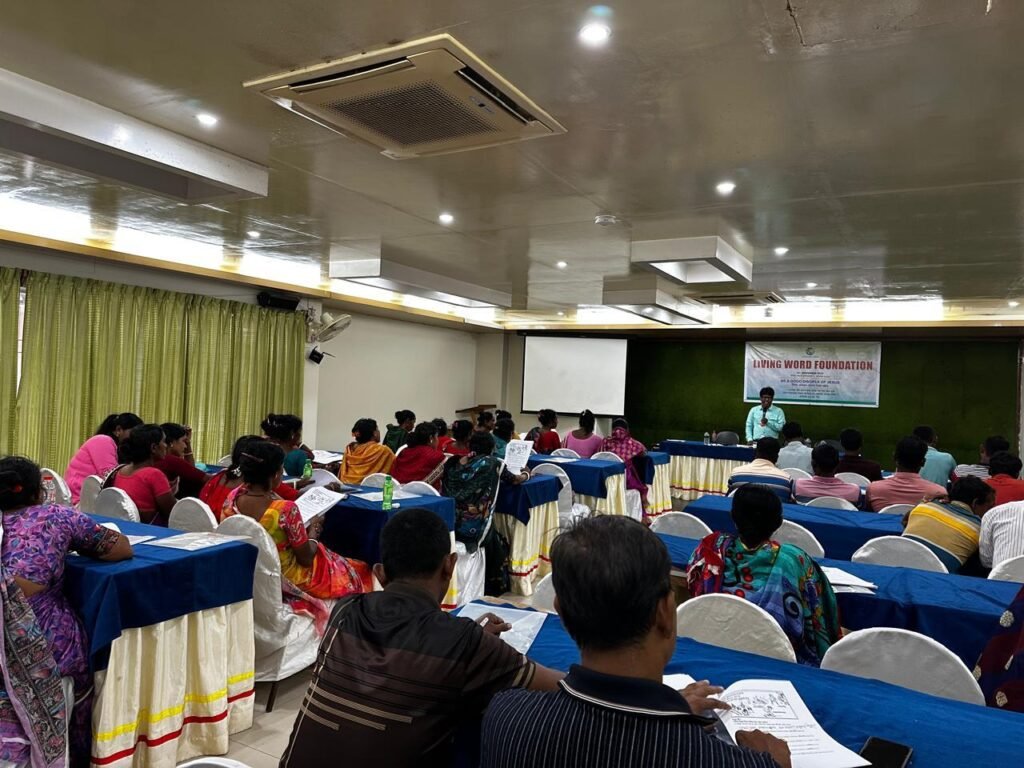
Providing pastors with theological education is foundational. Access to resources that emphasize the authority of Scripture and sound doctrine enables pastors to teach and lead with confidence. Training programs can be facilitated through partnerships with seminaries and faith-based missions organizations.
Mentorship and Discipleship
Mentorship from more experienced leaders can offer guidance and encouragement in Christ. Discipleship programs that align with biblical missions principles can help pastors grow in spiritual maturity and effectively spread the gospel.
Equipping Pastors with Practical Tools
Beyond theological knowledge, pastors require practical tools to lead their congregations effectively. This includes resources for church administration, community outreach, and personal development.
Resource Provision
- Bibles and teaching materials that emphasize Christian doctrine and biblical obedience
- Technology and communication tools for broader gospel outreach
Building Community Networks
Encouraging pastors to connect with local and international networks can foster a sense of community and provide additional support. These networks can facilitate mission trips and collaborations that strengthen local churches.
The Role of Prayer and Support
Prayer in the Bible is a powerful tool for those who are in ministry. Supporting pastors through prayer and tangible support is an essential aspect of empowering them.
Praying for Pastors
Consistent prayer for missionaries and local pastors is vital. Praying for wisdom, protection, and God’s will to be accomplished in their lives can have a profound impact on their ministry.
Financial and Material Support
Providing financial resources and materials can alleviate some of the burdens pastors face. Supporting ongoing ministry in Bangladesh ensures that these leaders can focus on their spiritual responsibilities.
Fostering Global Partnerships
Building partnerships between U.S.-based churches and Bangladeshi pastors can greatly enhance the effectiveness of ministry efforts.
Church-to-Church Relationships
Establishing relationships between churches can lead to mutual encouragement and sharing of resources. These partnerships can facilitate mission work and provide a platform for sharing the gospel with unreached people groups.
Collaborative Mission Projects
Joint mission projects can address specific community needs, providing opportunities for gospel-centered ministry that aligns with the Great Commission.
Conclusion
Empowering local pastors in Bangladesh is a vital component of sustaining ministry in the region. By providing theological training, practical tools, and robust support systems, we can help these leaders thrive. As we align our efforts with the teachings of Scripture, we build a legacy of faith that extends beyond borders, resonating with the gospel truth of salvation through Christ. Let us join together, in prayer and action, to support the ongoing work of pastors in Bangladesh and be a part of God’s faithful narrative in this nation. Visit Living Word Foundation to learn more about how you can support these efforts and participate in the global mission.